
AI-generated with Google
Status: available
The Mad
Scientist.
[ORIGIN]: Laputa, Last observed over Israel
// LANG: HE · EN
Full stack developer. Five years of platform-scale UI infrastructure — now building the rest of it in the open.
From design systems to infrastructure.
The experiment began at Amdocs, where for four years Tal built and maintained a shared React and TypeScript design system used by multiple product teams. Eventually, the work expanded beyond the laboratory walls: he led frontend development for a large-scale enterprise deployment serving one of the company's most demanding telecom accounts.
But the difficult part was rarely writing the code. The real experiments happened around it — shaping architecture, negotiating engineering standards, and finding ways for teams to build on the same foundations without getting in each other's way. Along the way, AI coding tools found their way into the laboratory and became part of the everyday process.
The earliest records trace back to AppleSeeds Academy: 720 hours of full-stack training, followed by a two-month internship at Cambium. The formal apprenticeship ended there. The experiments did not.
Then, in late 2025, the laboratory was temporarily closed for an expected development: the arrival of newborn twins. The laboratory went quiet for a while. Now the doors are open again, and new experiments are underway.
The writing and the craft are the point.
A design system other teams build on.
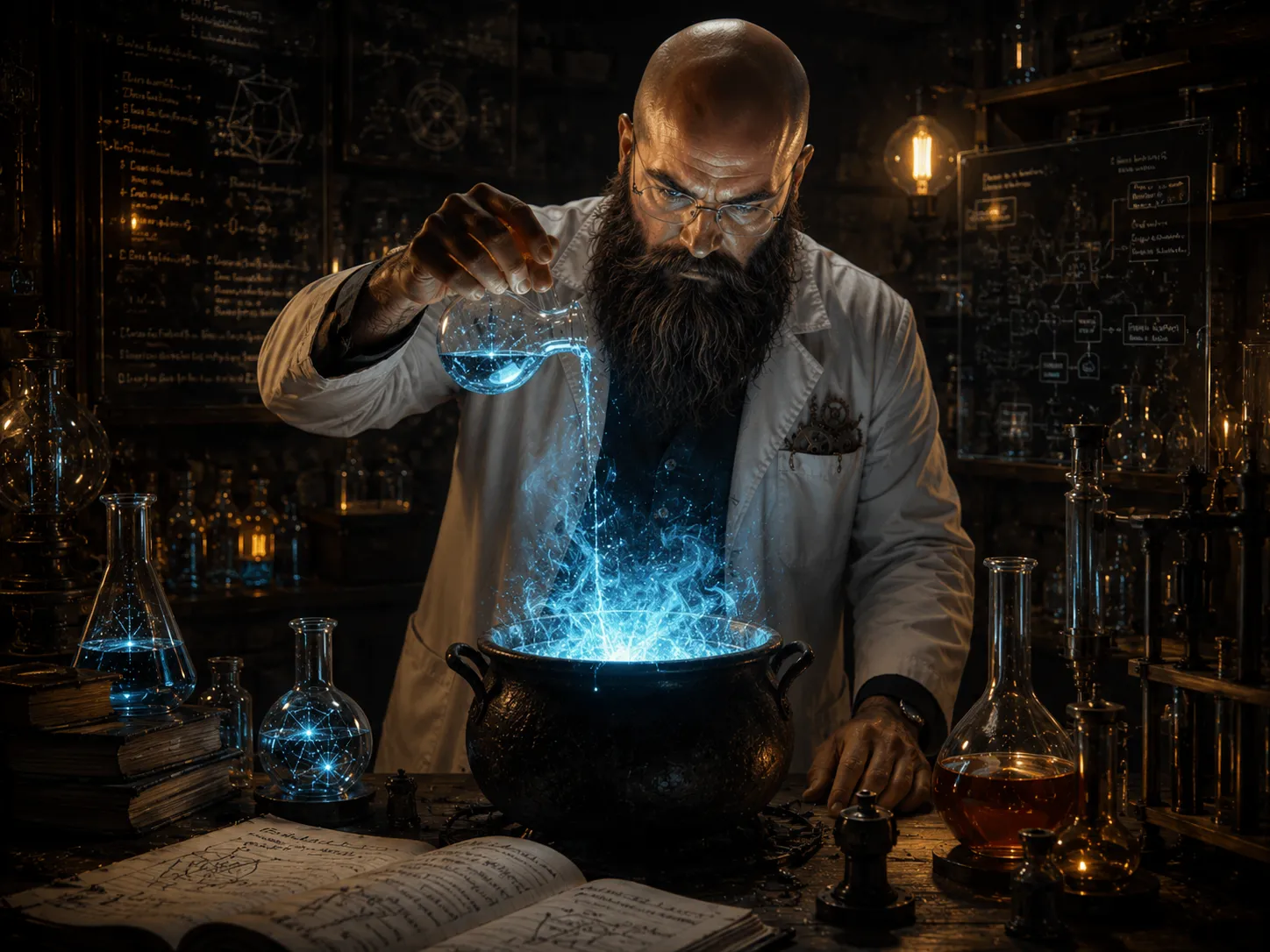
The illustrations in this collection were synthesized, not drawn.Each specimen begins with Tal’s own written specifications and reference plates. From there, it enters the laboratory: generated in batches, examined, discarded, refined, and finally selected for the collection. The machinery is artificial. The direction and curation are not.
“The infrastructure behind this site is part of the work being shown.”
// end_of_transmission
— The Personal Canon —
The Digital Alchemist.
“Transmuting binary logic into human emotion, one line of code at a time.”
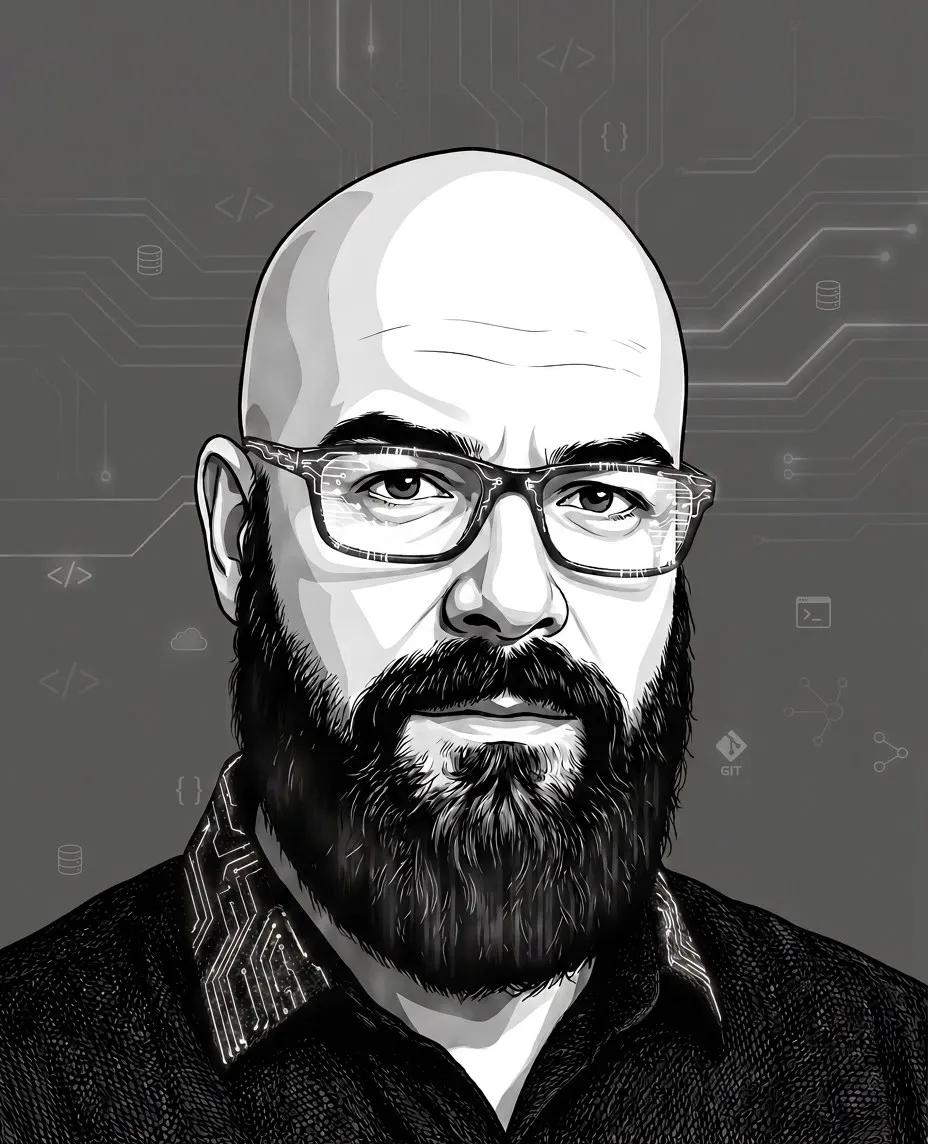
AI-generated with Google
Principal Elements
Not a developer by trade, but an alchemist by obsession. Within the flickering glow of three monitors, he spends his nights mixing volatile react hooks and ancient CSS incantations to brew experiences that feel more like discovery than software
The story began in a small, cluttered workshop filled with disassembled radio parts and half-empty inkwells. While others were learning to print 'Hello World', Tal was trying to figure out how to make 'Hello World' feel like it was whispered from a dusty library shelf.
His approach is described as "The Mad Scientist" method. It involves a relentless pursuit of the perfect user interface-one that doesn't just function, but breathes. To Tal, a button isn't just a trigger for an event; it's a physical interaction with a digital artifact. It must have weight, it must have resistance, and it must have a soul.
The code is the spellbook, but the interface is the magic.
Currently, Tal operates from a quiet corner of the internet, curating a collection of artifacts known as The Digital Archive. Here, he experiments with asymmetric layouts, tonal depth, and "Ink-Bleed" transitions—techniques designed to bring the warmth of paper to the cold vacuum of the screen.
When he isn't transmuting code, he can be found scouring antique shops for mechanical keyboards that sound like typewriters or sketching caricatures in the margins of his leather-bound journals.
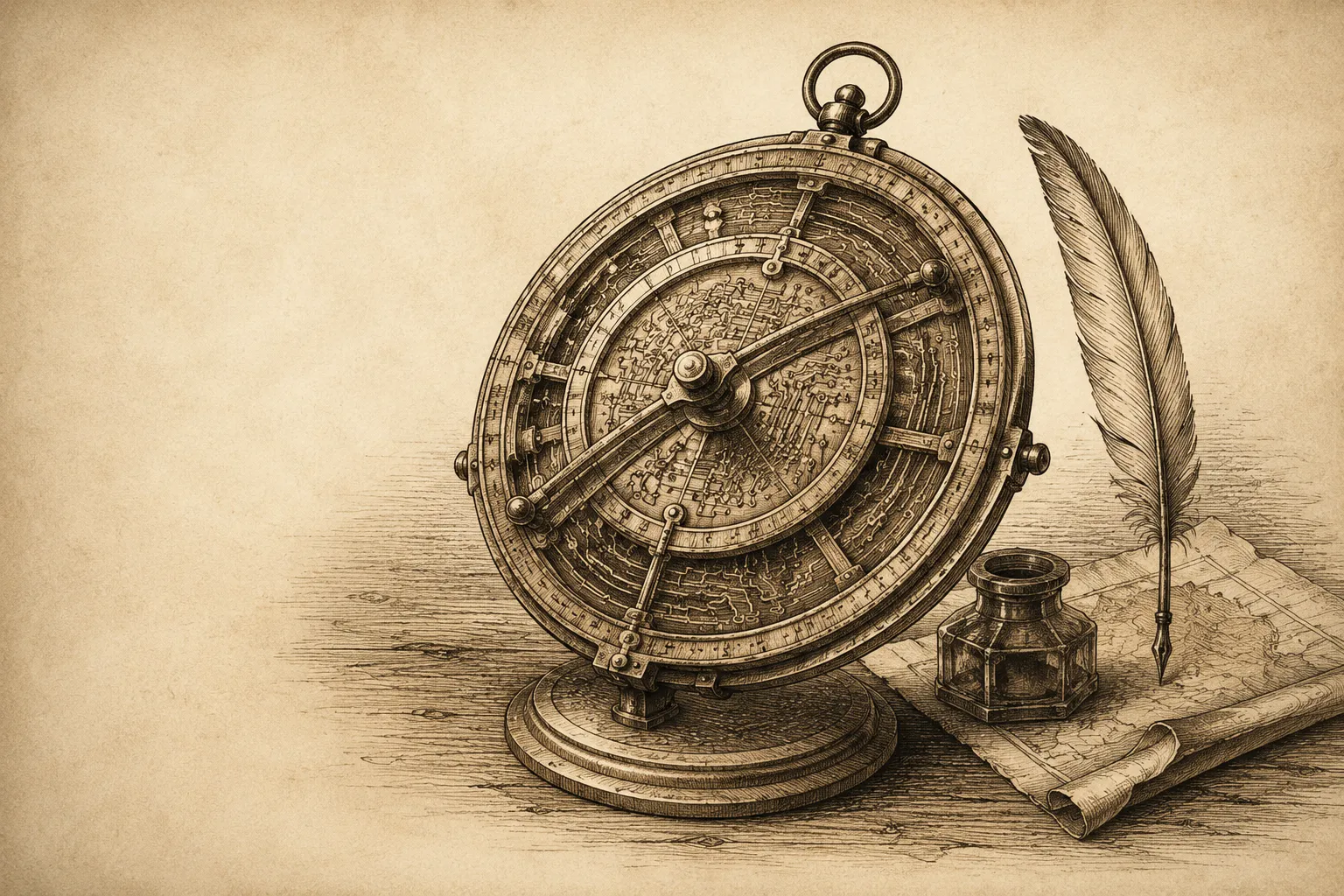 Artifact 01
AI-generated with OpenAI
None of the illustrations here were drawn by hand. The references are Tal's own, and so is the written incantation — the machine is only the crucible. What it returns is sifted by eye until one frame is worth keeping, and the rest goes back into the fire.